Dangerous Goods Packing and Compliance for Data Centers
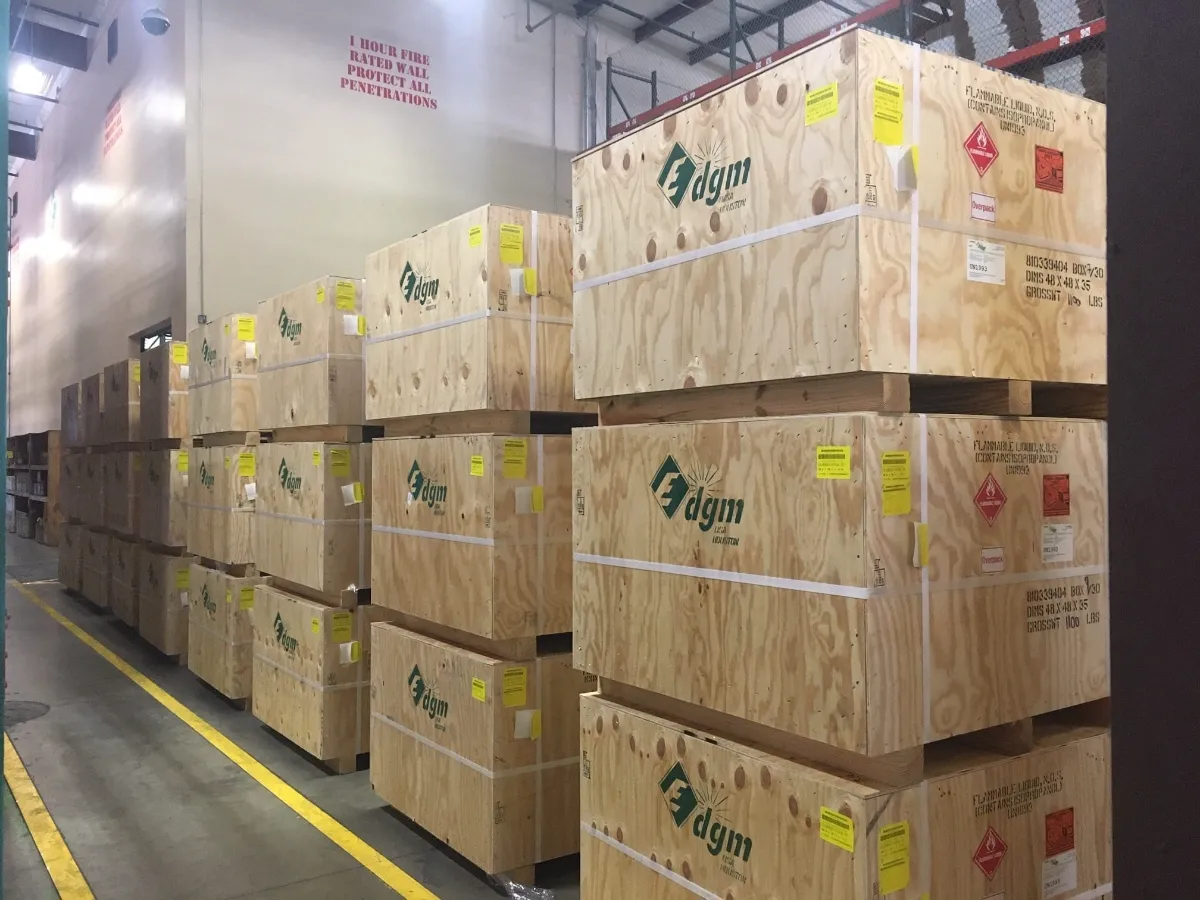
Data center projects move a lot of regulated material. Lithium and lead-acid UPS batteries, liquid cooling fluids, fire suppression cylinders, generator fuels, water treatment chemicals, and heavy electrical gear all have to be classified, packed, documented, and shipped by trained people.
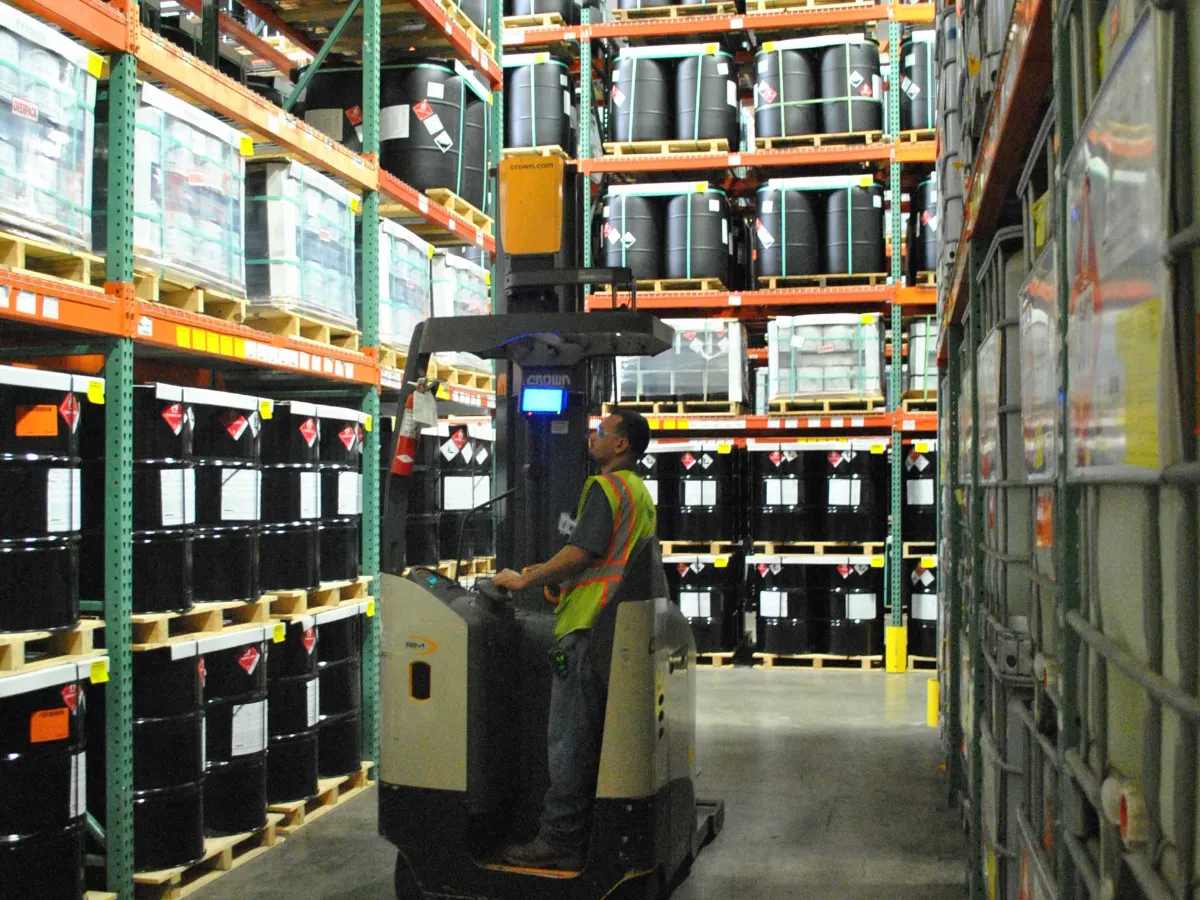
DGM USA provides data center hazmat packing, crating, and shipping support at our facilities in Houston, Dallas, and Atlanta, or on site at yours. We classify the material, pack it in the right UN-certified packaging, prepare the paperwork, and train your team to handle it themselves.
What Data Center Projects Need Shipped
Most gear arrives straight from the manufacturer. The harder shipments usually go the other way: warranty returns, battery swaps, drained fluids, surplus, and equipment pulled during upgrades. We handle:
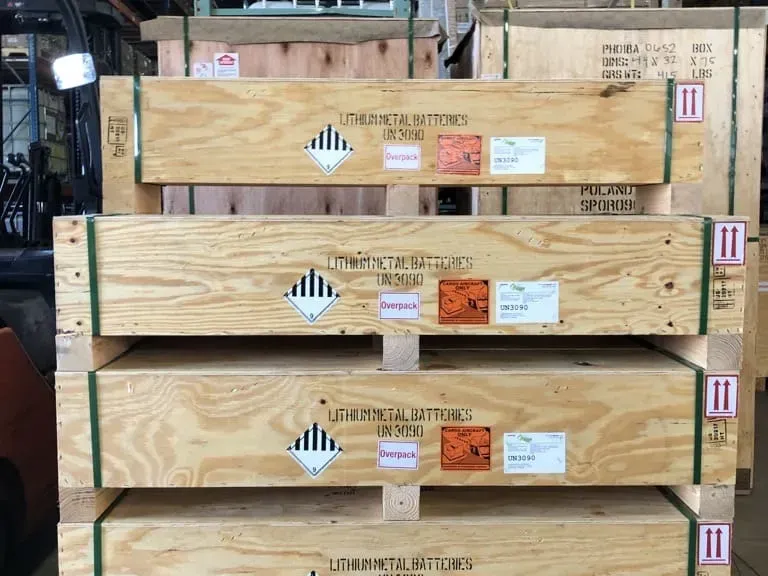
- Lithium and lead-acid UPS batteries: UPS modules, battery cabinets, and rack backup units. See our lithium battery packing services.
- Liquid cooling fluids: glycol mixes and immersion fluids, drained or surplus. See our chemical packing solutions.
- Fire suppression cylinders: clean agent and inert gas cylinders. See our dangerous goods packing.
- Generator fuels and fluids: diesel, engine oil, and coolant, packed where they sit by our on-site packing crews.
- Cooling tower water treatment chemicals: biocides and corrosion inhibitors, including repour into smaller containers at our Houston facility.
- Switchgear, transformers, and oversized equipment: custom export crating and container loading.
Whether an item is regulated depends on the product, the quantity, and how it ships. We classify it and tell you what applies.

Who We Work With
We work with the companies that build, supply, and service data centers:
- General and electrical contractors
- Uninterruptible Power Supply (UPS) and power equipment makers
- Cooling and fire protection vendors
- Generator dealers
- Decommissioning firms
- Freight forwarders
Hazmat Training for Data Center Teams
Anyone on your team who packs hazmat, signs shipping papers, or handles it in transport must be trained under 49 CFR and retrained at least every three years. Our courses include:
- 49 CFR (ground)
- IATA (air)
- IMDG (sea)
- Shipping lithium batteries
- General awareness
Classes run at our facilities, on site, or online. See the training calendar for dates.
Not sure what applies to your shipment? It depends on the product, the quantity, and how it ships under 49 CFR, the IATA Dangerous Goods Regulations, or the IMDG Code. Our dangerous goods consulting team can sort it out.
Frequently Asked Questions
How do you ship lithium UPS batteries from a data center?
Lithium UPS batteries ship as Class 9 dangerous goods, so they must be classified, packed in UN-certified packaging, marked, labeled, and documented by trained staff. The rules depend on battery size, whether they are packed with or inside equipment, and the mode of transport, with extra limits for air. DGM USA can pack them at your site or ours and prepare the paperwork.
Do data center coolants count as hazardous materials?
Some do and some do not. It depends on the coolant’s formula, the amount in each package, the mode of transport, and whether it was mixed with other fluids during service. DGM USA reviews the Safety Data Sheet, classifies the fluid, and tells you what applies before it ships.
Who needs hazmat training on a data center construction project?
Anyone who prepares hazmat for shipment, signs shipping papers, loads or unloads hazmat, or handles it in transport needs DOT hazmat training under 49 CFR. On a data center job, that often includes site logistics staff, warehouse crews, and equipment field service techs. Training must be repeated at least every three years. DGM USA offers it at our facilities, on site, and online.
Can DGM USA pack hazardous materials on site?
Yes. Our mobile packing crews bring packaging, materials, and equipment to your location and pack dangerous goods there. That means regulated material does not have to move until it is properly packed and documented. We can also crate oversized equipment on site.
How are fire suppression cylinders shipped?
Fire suppression cylinders are pressurized, so they are typically shipped as Class 2 gases. Each cylinder needs correct classification, valve protection, secure packing, marks and labels, and shipping papers that match its contents. DGM USA classifies and packs clean agent and inert gas cylinders for installation, service, and removal.
Can you crate switchgear or transformers for export?
Yes. DGM USA builds custom export crates for heavy and oversized equipment using ISPM-15 certified materials, and we handle skidding, blocking and bracing, and container loading. We can crate at our facilities or at your site. Send us dimensions and weights so we can confirm the right approach.
What happens if a hazmat shipment is packed or labeled wrong?
A shipment that is not properly classified, packed, marked, or documented can be rejected by the carrier, held up in transit, or lead to civil penalties from PHMSA. It also puts drivers, warehouse staff, and your site at risk. Trained staff or a qualified packing partner is the simplest way to avoid those problems.
Talk to a Dangerous Goods Specialist
Tell us what needs to move and where. Call (281) 821-0500 or email info@dgm-usa.com, and we will help you classify it, pack it, and ship it the right way.
