
Dangerous Goods Compliance for Aerospace
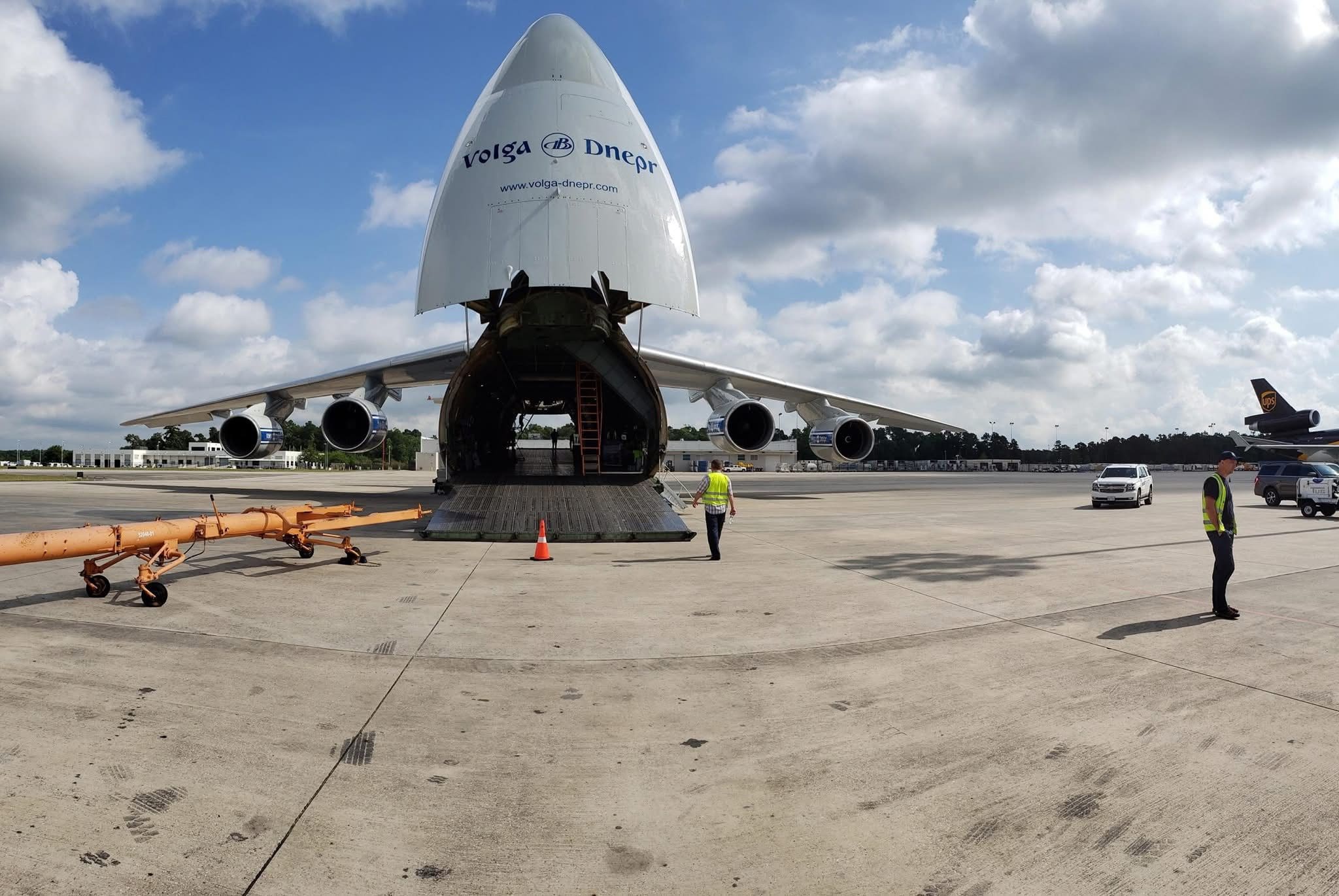
The Aerospace Industry encompasses the design, manufacturing, testing, and deployment of aircraft, spacecraft, satellites, and related systems. It serves both commercial and defense sectors and is characterized by high-value, precision-engineered components that demand specialized handling and logistics support.
Challenges
Aerospace parts often require detailed documentation, including serial tracking, itemized tagging, and export control paperwork. Packing must support full traceability and meet strict quality assurance standards.
Transporting large or out-of-gauge components, such as fuselage sections or satellite modules, requires specialized equipment, blocking and bracing, and coordination with carriers for flat racks, open tops, or air freight solutions.
Given the strategic nature of aerospace cargo, secure warehousing, tamper-proof packaging, and comprehensive liability coverage are essential.
Compliance Standards
Many aerospace shipments involve hazardous materials, including lithium batteries, pressurized systems, and composite chemicals, that fall under dangerous goods classifications. Logistics providers must ensure full compliance with IATA, ICAO, DOT, and ITAR regulations.
How DGM Helps
Aerospace components, including avionics, engines, wing assemblies, and landing gear, require custom crating, shock-resistant packaging, and climate-controlled storage to prevent damage in transit. Whether it’s a delicate wing assembly, door crate, or wheel assembly, DGM has extensive experience building wooden crates and corrugated boxes with foam linings to protect valuable cargo.
DGM’s expertise in dangerous goods, project cargo, and high-value freight makes it a trusted resource for aerospace logistics.
Get a Quote
Trust the experts to pack your goods for safe and secure transport in accordance with compliance regulations.
